Your heart is a powerful pump. Every time it beats, it pushes blood through your arteries, carrying oxygen and nutrients to every part of your body.
Blood pressure measures how hard that blood is pushing against your artery walls. When the force is too strong, over time, it can damage those arteries — and that’s when trouble starts.
A normal reading is usually below 120/80.
- The top number (systolic) measures pressure when your heart beats.
- The bottom number (diastolic) measures pressure when your heart rests between beats.
If your reading is 130/80 or higher, doctors call that high blood pressure.
Why It Matters
Here’s the thing: high blood pressure rarely causes symptoms at first — that’s why it’s called the “silent killer.”
You might feel fine, but inside, your heart, brain, kidneys, and arteries are working overtime. Over time, that extra strain can lead to:
- Heart disease or heart attack
- Stroke
- Kidney damage
- Vision problems
- Memory issues or dementia
The good news? You can take control before it takes control of you.
Common Causes and Risk Factors
Some things that raise your blood pressure are out of your hands — like your age or family history. But others are in your control.
Here are the main players:
- Too much salt or processed food
- Lack of physical activity
- Being overweight
- Smoking or heavy alcohol use
- Chronic stress
- Not getting enough sleep
Even small changes can make a big difference.
Signs and Symptoms
Most people with high blood pressure don’t feel anything unusual. But in severe cases, you might experience:
- Headaches
- Shortness of breath
- Chest pain
- Dizziness or blurred vision
If you ever feel these symptoms — especially together — don’t wait. Get medical attention right away.
Steps to Lower and Control High Blood Pressure
You don’t need to make huge life changes all at once. Just start with a few Sterling-approved habits that add up over time:
- Check Your Blood Pressure Regularly
You can do this at home with an easy-to-use cuff or stop by H&W Drugs — we’ll help you track it. - Cut Back on Salt
Try using herbs and spices for flavor instead. Canned soups, chips, and fast food are often packed with sodium. - Eat More Whole Foods
Fruits, vegetables, beans, and lean proteins can help keep blood vessels strong. - Move Every Day
Even a brisk 20-minute walk can lower your pressure and boost your mood. - Limit Alcohol and Quit Smoking
Both raise blood pressure and damage arteries. Your pharmacist can help with quitting resources. - Manage Stress
Take a breath. Pray, meditate, laugh — do something that calms your mind every day. - Take Your Medicine as Prescribed
If your doctor puts you on medication, take it consistently. Missing doses can cause sudden spikes in pressure.
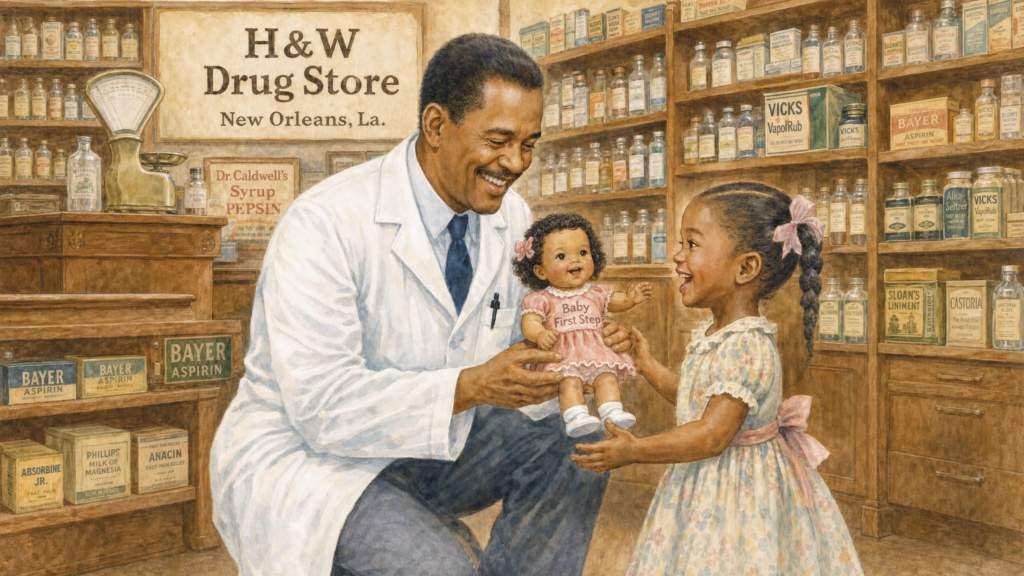
At H&W Drugs, we believe knowledge is the best medicine. Whether you need a blood pressure check, advice about your medication, or just someone to talk to about your health, we’re here for you.