What Exactly Is Cholesterol?
Cholesterol isn’t all bad — in fact, your body needs it.
It’s a waxy, fat-like substance found in every cell. Your body uses cholesterol to:
- Build healthy cells and hormones
- Help digest food
- Support brain function
You get cholesterol from two main places:
- Your liver, which makes all the cholesterol your body needs.
- The food you eat, especially from animal products like meat, eggs, and dairy.
The problem starts when you have too much of the wrong kind.
Good Cholesterol vs. Bad Cholesterol
Think of cholesterol as a delivery system on the highway of your bloodstream.
- LDL (Low-Density Lipoprotein) — this is the “bad” kind. It can stick to your artery walls, forming plaque that narrows and hardens them.
- HDL (High-Density Lipoprotein) — this is the “good” kind. It helps clean up the bad cholesterol and carries it back to your liver to be removed.
When LDL builds up too much, your arteries can clog — leading to heart disease, stroke, or circulation problems. Keeping a balance between LDL and HDL is the key to heart health.
Why High Cholesterol Matters
High cholesterol doesn’t hurt. It doesn’t cause headaches or dizziness. That’s what makes it dangerous — you can’t feel it.
Over time, though, it silently damages your arteries, increasing your risk of:
- Heart attack
- Stroke
- Peripheral artery disease (poor circulation)
That’s why getting your cholesterol checked regularly is so important — especially if heart disease runs in your family.
What Causes High Cholesterol?
Some factors are genetic, but lifestyle plays a huge role.
Here are common culprits:
- Diets high in fried food, red meat, or processed snacks
- Lack of physical activity
- Smoking or excessive alcohol
- Being overweight
- Chronic stress
- Family history of high cholesterol
Even small changes can make a difference — and you don’t have to overhaul your life overnight.
Simple Steps to Lower Cholesterol
- Eat Smart
Swap fried foods for grilled or baked options. Add more fruits, veggies, and whole grains. Oats, nuts, and fish like salmon can naturally lower LDL. - Move More
Aim for 30 minutes of activity most days — walking, dancing, even yard work counts. - Avoid Tobacco and Limit Alcohol
Both lower good cholesterol (HDL) and increase your risk of heart disease. - Maintain a Healthy Weight
Losing even 5–10 pounds can make a big difference in your numbers. - Know Your Numbers
A simple blood test can tell you your total, LDL, HDL, and triglyceride levels. Aim for total cholesterol under 200 mg/dL and LDL under 100 mg/dL. - Take Medication If Needed
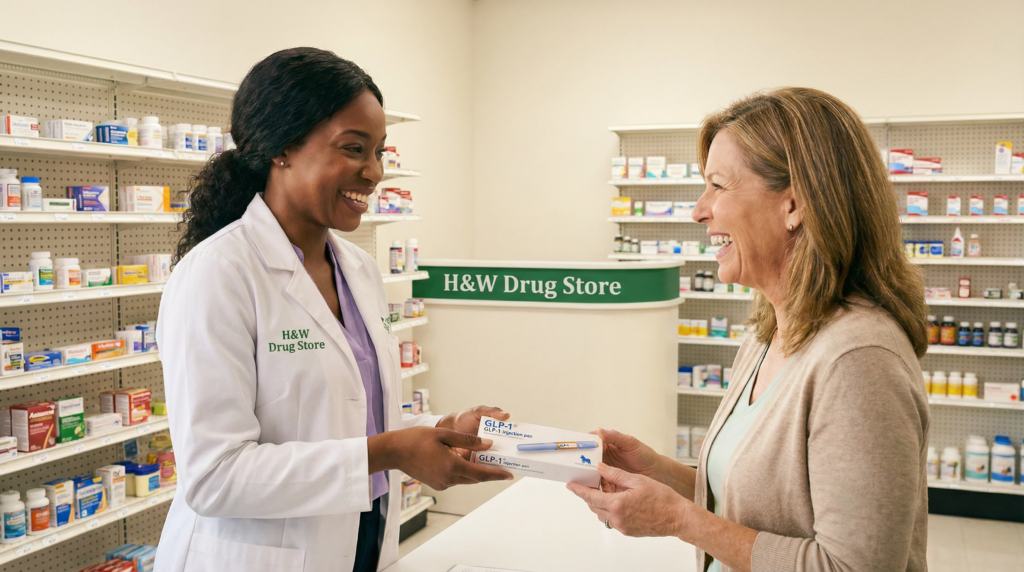
If lifestyle changes aren’t enough, your doctor may prescribe medication — and your pharmacist can help make sure you understand how to take it correctly.
Understanding cholesterol is part of taking ownership of your health. It’s not about fear; it’s about awareness, balance, and small, consistent choices that keep your heart strong for years to come.